Why visit
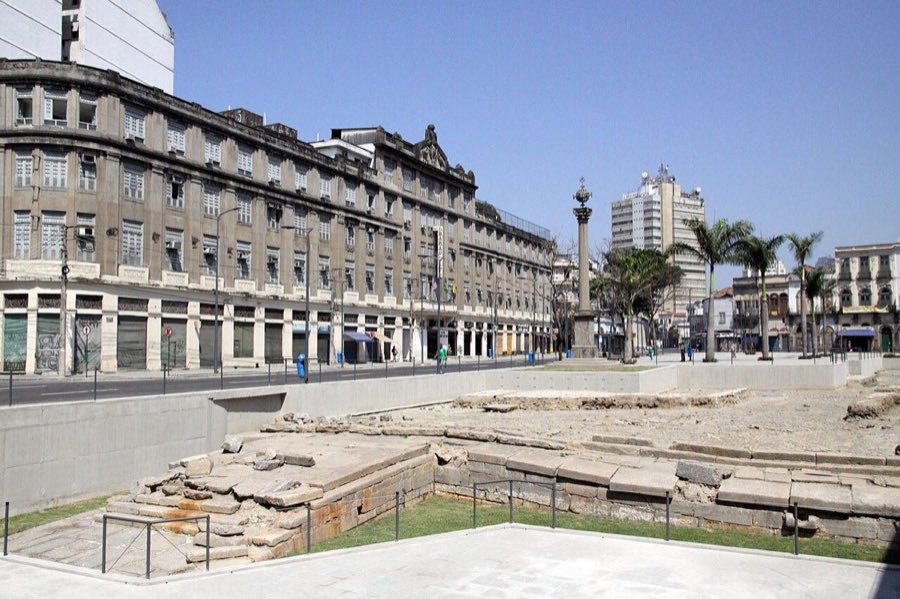
The name recalls salt unloaded at the old port through the labor of enslaved Africans. In the second half of the nineteenth century, dockworkers gathered here to sing and dance. Pedra do Sal became an important place in samba’s formation and Black cultural networks. Its steps connect port labor, social life, religion and celebration: history also made outside palaces.
What to look for
- Rock surface and carved steps
- Surroundings of Largo da Prainha
Who sustains the culture that becomes a national symbol?
Visiting details
Visit outdoors in daylight. Samba gatherings follow specific programs and are not guaranteed every day. Check the schedule and plan your return journey.
Steps and rock surfaces may restrict mobility; the setting can be observed without climbing.
A living neighborhood: respect residents, activities and circulation.