Centro & port · about 6 hours
Republic & citizenship
Start with an 11 am booking at the National Library.
Biblioteca Nacional → Centro Cultural Justiça Federal → Museu da República / Palácio do Catete
Explore routeHome / Rio in Layers
Memory of slavery and resistance, with time to listen at IPN and view art at MAR; prefer a local interpreter or guide.
09:30
Paving of the original 1811 quay
Built in 1811 for the landing of enslaved Africans, the quay officially closed in 1831 when trafficking was prohibited by law. Slavery itself did not end. In 1843, a new layer welcomed Empress Teresa Cristina as the Empress’s Wharf. The overlapping stones reveal how a celebration of monarchy physically covered the violence of trafficking, leaving distinct histories within one place.
Praça Jornal do Comércio, Avenida Barão de Tefé
Open air archaeological site. View from the public area, preferably in daylight; do not touch or enter the remains. Check for works and local restrictions.
Outdoor space with potentially uneven surfaces. Treat map locations as approximate guidance.
UNESCO ↗ · CCPAR: cais históricos ↗10:00
Archaeological viewing windows
The memorial occupies a former burial place for recently arrived Africans. After Valongo, this stop restores attention to individuals and human loss. Encountering archaeology here should prompt reflection on dignity, violence and repair, through a respectful visit that refuses to turn suffering into a passing or sensational curiosity.
Rua Pedro Ernesto, 32
Book and confirm directly. Published pages differ on opening times and admission arrangements; do not assume walk in entry. Ask about prices, free admission and duration before finalizing your day.
A memorial with sensitive content and human remains. Ask about accessibility and interpretation before booking.
IPN: visitação ↗ · Riotur: memorial ↗11:15
Rock surface and carved steps
The name recalls salt unloaded at the old port through the labor of enslaved Africans. In the second half of the nineteenth century, dockworkers gathered here to sing and dance. Pedra do Sal became an important place in samba’s formation and Black cultural networks. Its steps connect port labor, social life, religion and celebration: history also made outside palaces.
Fim da Rua Argemiro Bulcão, perto do Largo da Prainha
Visit outdoors in daylight. Samba gatherings follow specific programs and are not guaranteed every day. Check the schedule and plan your return journey.
Steps and rock surfaces may restrict mobility; the setting can be observed without climbing.
CCPAR: Pedra do Sal ↗ · Iphan: ficha do lugar ↗12:30
Museum architectural complex
End your exploration of the port by considering how a city narrates its own transformation. Art, architecture and landscape can make some experiences visible while leaving others outside the frame. Compare the memories encountered in the streets with exhibition choices, without expecting one final or definitive account of the past.
Praça Mauá, 5
Closed Wednesdays. Galleries 11am–6pm; ticket office 10:30am–5pm. The official page lists R$20 full/R$10 reduced, with free admission policies. Check current conditions and programming.
Combine with Praça Mauá; ask about lifts and access conditions on the day.
MAR — horários e ingressos ↗ · MAR: dúvidas frequentes ↗Independent editorial research based on institutional sources. Desk research is not presented as a first-hand visit. Hours, prices and access can change. Confirm through official channels before leaving.
Help test timing, directions and visiting conditions. Reports go to editorial review and are not treated as verified visits.
Centro & port · about 6 hours
Start with an 11 am booking at the National Library.
Biblioteca Nacional → Centro Cultural Justiça Federal → Museu da República / Palácio do Catete
Explore route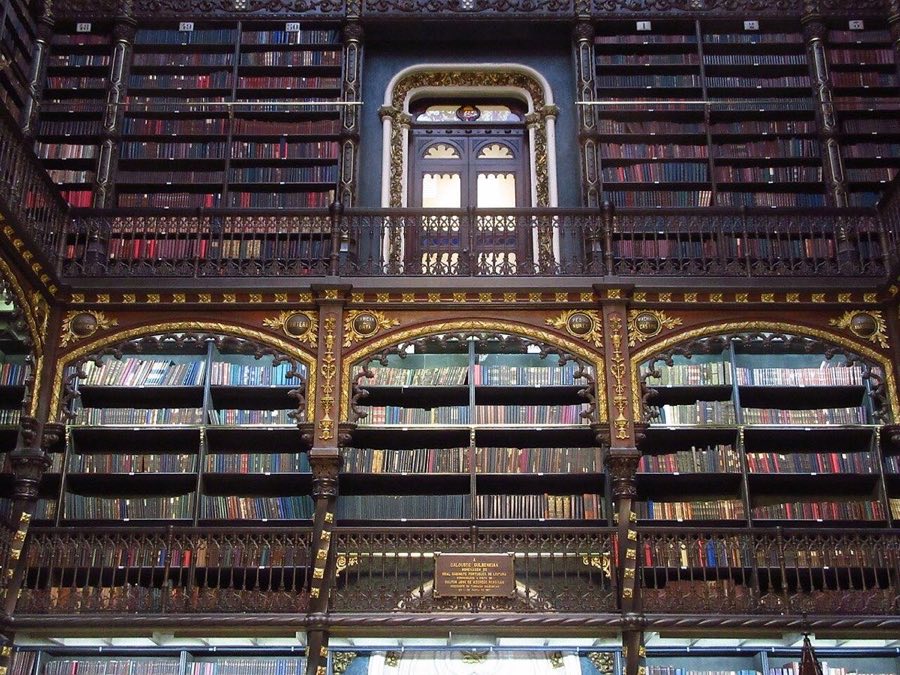
Felipe Restrepo Acosta / Wikimedia Commons ↗ · CC BY-SA 4.0 ↗ · Resized
Centro & port · about 7 hours
Visit the Real Gabinete in the morning, then walk to Paço Imperial.
Real Gabinete Português de Leitura → Paço Imperial → Ilha Fiscal
Explore route